FIELD NOTES · 2026-10-01 · 9 min READ
Aluminium vs uPVC vs timber windows in Bali
For most Bali villas, powder-coated or anodised aluminium is the safest choice for windows and especially for large sliding doors: it does not rot, termites ignore it, and slim sections carry big glass. uPVC is a sound and often cheaper choice for standard-size windows in air-conditioned rooms, but it has limits on very large or dark-coloured doors in strong sun. Timber looks right on traditional buildings and needs the most care. The detail, with 2026 prices, is below.
The short answer, in one table
| Aluminium | uPVC | Timber | |
|---|---|---|---|
| Sun and heat | Stable; frame surface gets hot | Expands about three times as much; dark colours can distort | Moves with humidity; finish breaks down in UV |
| Salt air | Needs seaside coating and stainless fixings | Unaffected; steel reinforcement must stay dry | Unaffected by salt |
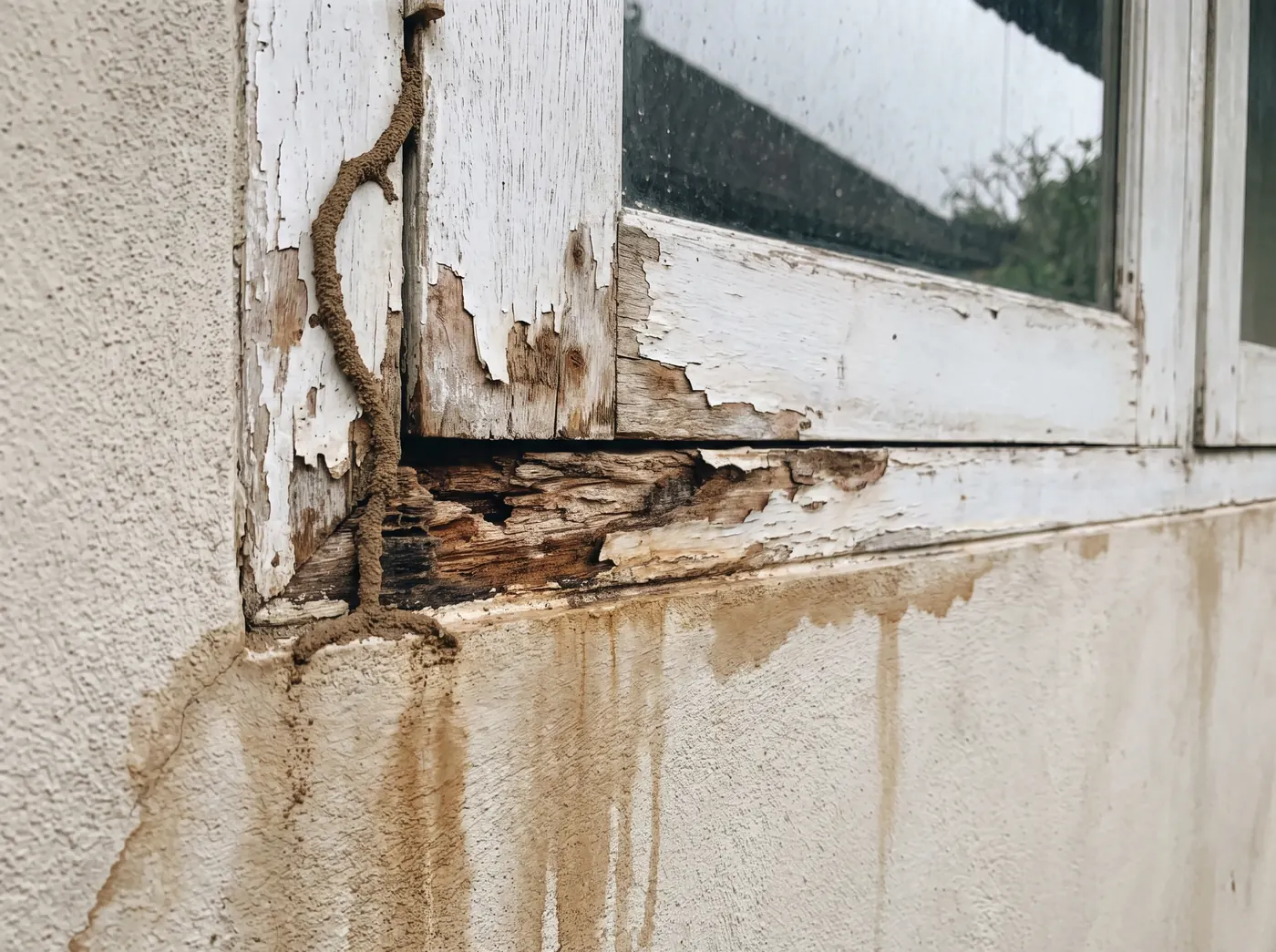
| Termites and rot | Immune | Immune | Vulnerable without treatment and care |
| Large sliding doors | Best — slim sections carry big, heavy glass | Limited leaf sizes, wider frames | Heavy; swelling makes big sliders stiff |
| Seal and acoustics | Good on quality systems | Very good | Depends on joinery and upkeep |
| Maintenance | Clean tracks, replace rollers and seals over time | Clean, replace gaskets over time | Refinish every one to two years |
| Typical installed price | villa-grade from IDR 2,850,000 / m² | IDR 1.2–2.5 million / m² windows, IDR 2.6–3.6 million / m² sliding doors | wide range: cheap local frames cost less, durable hardwood joinery as much as villa-grade aluminium or more |
Prices are 2026 guide figures per m² of opening including glass and installation. The aluminium figure is our villa-grade guide price; the uPVC figures are typical Indonesian market ranges for comparable sizes.
Aluminium: strong, slim and indifferent to termites
Aluminium is the default for villa glazing in Bali for good reasons. It does not rot, swell or feed termites; it is stiff enough for slim frames around very large panes; and spare parts — rollers, locks, gaskets — are available on the island. Most of what goes wrong with aluminium here is specification, not the material: sections that are too light for the leaf, plated hardware that corrodes, flat sills, and standard powder coating within reach of sea spray.
Its weakness is heat conduction. An aluminium frame in afternoon sun gets hot to the touch, and in a cold climate it would be a thermal bridge. In Bali the effect is small, because the frame is a fraction of the window area and the main heat load comes through the glass as sunlight. Light frame colours, solar-control glass and roof overhangs deal with heat far more effectively than a different frame material. Thermally broken aluminium systems exist but cost considerably more, and they rarely pay back in a tropical villa.
uPVC: good seals, but watch the sun and the size
Tropical-grade uPVC windows are widely available in Indonesia, seal well, are quiet, and need little maintenance. For standard-size windows in air-conditioned bedrooms they are a reasonable choice and often cheaper than villa-grade aluminium.
The limits are physical. uPVC expands roughly three times as much as aluminium with temperature (about 0.07 mm per metre per degree against 0.023 for aluminium), and frames in direct sun in Bali get very hot. Large sliding doors, long runs of glazing and dark foiled colours are where that shows: leaves that bind in the afternoon, gaps in the morning, foil that lifts. The frames are also wider for the same pane size, which matters if you want the slim look on a big glazed wall. And uPVC frames contain steel reinforcement: if water gets into the chambers and cannot drain, that steel rusts inside the profile.
If you choose uPVC, ask three things: is the profile UV-stabilised for tropical use, what is the maximum leaf size in your colour, and who on the island stocks the gaskets and hardware for that system.
Timber: beautiful, and a maintenance contract
Timber windows suit traditional and tropical-modern villas, and well-made hardwood joinery under a deep overhang can last decades. The rotten frames we replace almost always share the same history: timber that was not properly dried or treated, sills exposed to driven rain, and refinishing that stopped after the first owner. Termites find untreated timber quickly, and humidity makes sliding timber doors swell and stick in the wet season.
If you want timber, specify durable, kiln-dried and treated hardwood, keep sills sheltered or protect them with a flashing, and budget for oiling or painting every one to two years. Treatment against termites is covered on our structural timber treatment page.
Which to choose, opening by opening
- Living room and terrace doors: aluminium stacking or lift-and-slide — the only material that carries big glass on slim, stable frames. See our aluminium doors.
- Air-conditioned bedrooms: aluminium or uPVC, with low-E or solar-control glass on west and north faces.
- Bathrooms: aluminium or uPVC; timber only where it is fully sheltered.
- Traditional joglo or wooden villas: timber, with treated frames, sheltered sills and a maintenance plan.
- Within a kilometre of the sea: aluminium with seaside coating or uPVC, and 316 stainless hardware either way.
The cost over fifteen years
Purchase price is only part of it. Aluminium and uPVC need little beyond cleaning tracks and renewing rollers, brushes and gaskets every several years — a service visit rather than a project. Timber needs refinishing on a one-to-two-year cycle and repairs where rain or termites get in. Over fifteen years a cheaper timber or light aluminium window can easily cost more than a good aluminium one, once maintenance and early replacement are counted. If you are replacing old windows now, our window and door replacement page explains how frames are swapped without breaking the walls.
FAQ
Quick answers
Is uPVC good for the Bali climate?
Tropical-grade uPVC with proper UV stabilisation works well for standard windows, and its seals are good. Its limits are heat and size: uPVC expands about three times as much as aluminium, so very large sliding doors and dark-coloured frames in full sun are where problems appear. Ask for the maximum leaf size the system allows in your colour.
Do aluminium windows get hot in the sun?
The frame surface does — aluminium conducts heat. In practice the frame is a small part of the window and most heat comes through the glass as sunlight, so solar-control or low-E glass and shading matter far more than the frame material. Light frame colours stay cooler than black.
Are timber windows a bad idea in Bali?
Not if they are made from durable, properly dried and treated hardwood, sheltered by deep overhangs and refinished on schedule. They fail when cheap or wet timber is used, when sills face the weather, or when maintenance stops — which is how most of the rotten frames we replace started.
Which window frame lasts longest near the beach?
Aluminium with a seaside-grade coating or anodising and stainless hardware, or uPVC with stainless hardware. Both outlast standard aluminium with plated fittings, which corrodes quickly within a kilometre or two of the sea. Timber suffers least from salt but most from rain and termites.
NEED IT DONE?
We do this work
This guide is published by the engineers of a full-cycle construction company in Bali — the same crews that supply, install and repair the work described above.